


Diagnosing a Leaking Toilet
Do you regularly hear your toilet refilling even when you’re not using it? While some homeowners may think these are normal plumbing sounds, it’s never a good thing for your toilet to be running when not in use.
While it could be a minor issue in most cases, sometimes it could also be an indication of a water leak. Whether it’s inside the bowl or around the floor of your bathroom plumbing, leaking toilets can increase your water consumption, lead to water damage, and be an overall nuisance to your home.
While the DIY savvy homeowner may be able to fix the common causes of a leak, like a toilet flapper, when the issue is more complex, it’s always a good idea to know more about your toilet plumbing. Read on to learn the ins and outs of toilet plumbing, and how to solve your issues so you never have to worry about a leaky toilet again!
How to Tell if Your Toilet Flapper is Damaged?
The toilet flapper is critical to the operation of your toilet. It seals the water inside of the tank and also allows water to flow into your bowl when you’re flushing.
For most toilets, these flappers are either made from rubber or plastic and are susceptible to wear and tear. Some of the more common indicators that your flapper is damage include:
 Low water pressure.
- Toilet won’t flush.
- The tank won’t refill.
- Water is constantly running.
- Higher than usual water bills.
- Nagging sound of running water.
While you may not be able to fix your leaky toilet, you should at least be able to notice when something is amiss. Early detection is the best way to avoid emergency repairs, and because toilet flappers are commonly the cause for leaky toilets, the components can easily be found at your local hardware store.
Common Causes of Leaking Toilets
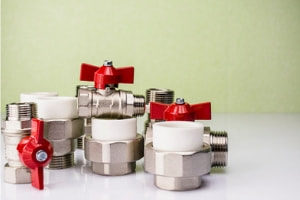 If the flapper isn’t to blame, what else could be causing your leaking toilet? For most homeowners, the valve behind your toilet will be the culprit.
Because they’re often made from thin metals, these valves are susceptible to deterioration.
An easy tip is to check behind your toilet. If the area is damp or there’s condensation on the valve, you’ll know there’s a need for replacement. There are also various seals that keep water inside your toilet.
From the base of the toilet to the seals in the tank, over time they can spring leaks. If the issue is small enough, it can easily be caulked closed. If the problem is beyond repair, a complete toilet replacement may be needed.
Should You Opt For Regular Maintenance?
 The easiest way to avoid dealing with a leaking toilet is to prevent it altogether. Toilet maintenance is simple to do and requires regular inspections and upkeep.
Not only can you easily replace any damaged or faulty components, but also many stores sell tablets that dissolve inside your tank and keep things clean.
If you want more of a professional approach to your maintenance needs, be sure to call Reeves Family Plumbing. We are your expert Dallas plumbers dedicated to your home and comfort. Whether you need help with a leaky toilet or are looking for a full replacement, you can count on our staff to get you back up and running in no time!

 Increasingly high water bills.
 Most people think of broken and burst pipes in the winter when temperatures drop below freezing. While cold weather might be responsible for a number of burst pipes, it isn’t the only reason.
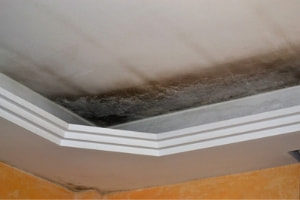 Homeowner’s insurance varies from policy to policy. However, it is just about guaranteed that the company will not pay for willful ignorance.
 The worst part about homeowner’s insurance is that if you maintain your home and a policy with your homeowner’s insurance, there is a large chance you’ll seldom use it.
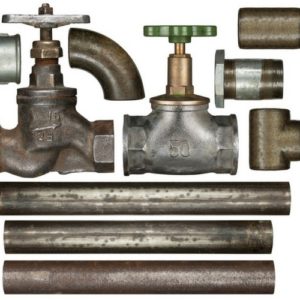 If you have an old home, you cannot discount this risk. There are some homes in Texas that are well over 50 years old, and there are even a few that are over 100 years in age!
 It’s actually often tied in with the age of pipes, since time plays a role, but rust can weaken pipes enough that they can spring leaks.
 You might not realize it, but high water pressure is a physical force. If you exert this force on your pipes, every day, year in, year out, this can eventually cause pipes to weaken and start leaking.
 This is one factor you have very little control over. The chemistry of the actual water coming into your home may cause issues with that will result in water leak detection. Chemicals in the water, or simply its natural acidity due to the pH level can act as a corrosive agent given enough time.
 Not only does hard water wreak havoc on your dishes, skin, and hair, but it also turns out that it can make for major problems for your pipes.
 One of the most reliable ways to find leaks is with your eyes, simply by doing a visual inspection of pipes, as well as the floors, walls, and ceilings of your home.
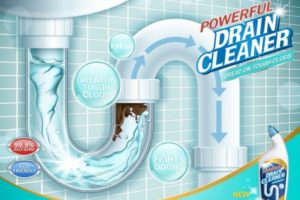 When you’ve got a clogged drain, it may seem perfectly reasonable to head to the store to buy a bottle of clog remover.
 Sure, it is great to have strong water pressure when you are taking a shower, but it’s not so good for your plumbing system.


