3 Common Plumbing Emergencies That Don’t Have To Be So Common

plumber ready to help

3 Tips To Remember About Common Plumbing Emergencies

It’s high time homeowners were more familiar with their plumbing system. Plumbing emergencies occur far too often in the modern home, and they are easily avoidable with a little extra love and affection. In most cases, routine maintenance can prevent plumbing emergencies, but even a properly maintained system will sometimes experience an emergency. When this happens, it is important that homeowners know how to spot it and who to call.

If a plumbing emergency isn’t dealt with right away, it can lead to even more problems for the homeowner. Below are three plumbing emergencies every homeowner should know about, as well as how they are caused and the dangers they present. Continue reading for more information!

over flowing toiletAn Overflowing Toilet Is Considered an Emergency

Believe it or not, an overflowing toilet is very much considered a plumbing emergency. If anyone has ever experienced an overflowing toilet firsthand, they understand just how frustrating and disgusting this can be.

There are three main causes of a frequently overflowing toilet:

  • A stubborn clog or blockage in the piping system
  • An improperly adjusted float
  • A blocked vent pipe

Regardless of the reason, the homeowner will most likely have to call in a professional to properly fix the issue. The good news is these are all relatively easy fixes. Perhaps the most intensive resolution would be to remove a stubborn clog or blockage because this almost always requires the toilet to be removed and a snake tool to be used. The snake tool will reach down into the system and pull the clog out.

The other two options are easily replaced without removing the toilet or causing much grief at all.

The Causes and Dangers of Sewage Backup

Similar to an overflowing toilet, sewage backup is usually caused by a clog somewhere in the plumbing system.

Some other common causes are:

  • Damaged pipes
  • Tree roots
  • Sewer main blockage
  • Heavy rain

Not only can sewage backup damage the home, causing expensive repairs, but it can also pose a threat to the health of those living in the home. Exposure to sewage backup can lead to airborne pollutants and contaminants that lead to illness. It is crucial for the homeowner to call an emergency plumbing company the moment they realize there’s sewage backup inside the home.

The Causes and Dangers of Burst Pipes

burst pipe

Many different things can cause burst pipes, including the age of the pipes, corrosion, clogs and blockages, and tree roots. Burst pipes are a plumbing emergency because they can cause water to leak into or flow into the home, causing extensive water damage.

The main dangers of burst pipes are usually related to damage to the home, and while they don’t necessarily threaten the health of those in the household, they could eventually lead to this. When excessive moisture is found in the home for too long, it can lead to mold growth and other airborne pollutants that cause illness.

It is always encouraged to have plumbing emergencies fixed as soon as possible because they can escalate quickly and end up causing extensive damage.

Reeves Family Plumbing Keeps Homeowners Safe

When Dallas, TX, homeowners need an experienced plumber, they call the professionals at Reeves Family Plumbing. This company has the experience and training to handle any plumbing issues thrown at them. Not only that, but they care about their community, so they always work to provide quick and affordable services. Call today for plumbing services!


In the Battle For Clean Water, A Superhero Plumber Is Your Greatest Ally

Super Plumber

In the Battle For Clean Water, A Superhero Plumber Is Your Greatest Ally

Clean water access is essential in your home. There are a number of health problems associated with drinking unclean water, and so it’s important that you can maintain your home water supply to ensure your family is protected.

Plumbers play a vital role in this process, and in this latest post, our Dallas, TX team explores more on how plumbers can protect you from dirty water issues in the home.

The Role of the Modern Plumber

Safe Drinking WaterPlumbers can identify problems in your home water supply in a quick timeframe. It’s why many homeowners now turn to their local plumbing specialist when they notice their home water tastes different than normal.

Plumbing teams can complete testing work and provide instant guidance on how to treat water contamination issues. They can also offer a number of long-term solutions to a variety of home issues.

For example, the plumber may install home filtration products to help eliminate toxic elements such as metals in home drinking water. They might also offer extensive testing throughout the year to help ensure water remains at the ideal healthy levels for your family to drink.

The Health Issues Caused by Dirty Water

Stomach Ache PainWe know that dirty water has been responsible for many of the leading health crises around for the world for generations.

So, it’s no surprise that drinking dirty tap water could potentially have an impact on your health over time. For example, many people have contracted water-borne illnesses as a result of drinking water contaminated with the e coli bacteria.

The bacterium is known to cause severe intestinal health issues and could have a deadly impact on homes in which children and elderly people live. Speaking with local plumbing professionals about testing and filtration options is the best next step to protect your family.

Your Role in Securing Clean Water Access in the Community

Water ConservationEach year we waste gallons of fresh water in our homes, and this presents an opportunity to protect our most precious of resources.

Simply by reducing your home water consumption, you can play a role in making sure clean water can be diverted to those who need it in your area and around the world.

Whether you simply limit your dishwasher use or install low-flow systems in the home, there are a number of avenues you can take to start reducing your water consumption.

Booking testing services in your home is the best way to determine your local water quality. It’s the first step toward protecting your family against water contamination problems for the coming years.

Want to Find out About the History of Indoor Plumbing?

Want to Find out About the History of Indoor Plumbing?

As much as we like to believe that we are ahead of times with buildings, technology, and drainage, truth be told, history has influenced the design of our modern plumbing systems.
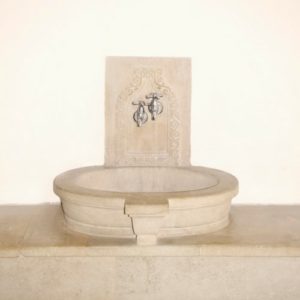
Most of the plumbing techniques used in Schwenksville, PA, originated from popular cities in the world such as Rome, Mayan ruins, and Athens.

Ancient History of Indoor Plumbing

The Mayans are believed to be the designers behind pressurized pipes. Research suggests that the city had underground aqueducts made from limestone. The pipes were connected straight from freshwater springs right straight into homes and throughout the city.

Ancient conduits ran under the springs, to ensure that the water was compressed as it passed through the pipes. This created a pressure build-up as water could travel up through their taps.

Roman and Egyptian Plumbing Advances

Roman and Egyptian Plumbing AdvancesThe Egyptians are famous for building pyramids as tombs for the dead. However, they were also crafty and designed bathrooms like pipes in the pyramids.

They believed that the dead had every right to any available amenities. Scientists thought that they used the copper pipes to drain water after the rituals.

The Roman hot tubs were cooler unlike the Jacuzzis and hot tubs of today. The tubs were heated using hot stones that were placed in water. What’s more, they were designed with aqueducts and were made from marble.

Their hot tubs were reserved for the wealthy as they were a famous relaxation method. The Roman Empire is also known for its vast aqueduct systems that helped to supply water to private and public baths, homes, and even wells.

Water was distributed with lead pipes. In 510 BCE, the Romans constructed the Cloaca Maxima, also known as the main drain. The drain was meant to dispose of waste and has remained in existence for over 2000 years.

Modern Plumbing Technology

Homeowners are now opting for high-tech features to renovate their old, outdated bathrooms. Whether you’re on a budget or looking to splurge and enjoy all the comfort money can bring, there’s something for everyone.

-Digital Showers

If you prefer long, hot showers while your partner would rather go for something cool, you no longer have to fight over this, thanks to digital showers.

Latest shower technology allows you to control water pressure and temperature, making it easy to customize your experience. The best part is that you can save your settings with the push of a button.

-Touchless Faucets

Hygiene and water conservation are important. Plumbing manufacturers have now come up with touchless faucets that can be paired with automatic soap dispensers.

-Smart Toilets

You no longer need to clean or flush your toilet. The emergence of the smart toilet means that you can enjoy high-tech options like built-in night lights, hands-free flushing, heated seat, and motion-activated seat covers.

Modern plumbing aims to make your life convenient and comfortable. Now that you understand where plumbing all began, you can now appreciate the fancy faucets and the digital controls in your shower.

Summer Fun Without Wasting Water

Summer Fun Without Wasting Water


Summer in Texas brings a lot of changes, most for the better. The kids get some time off from school and can spend more time with the family.

The weather stabilizes and is hotter, drier and more pleasant. The days get longer, and that’s good for trees, flowers and other plants.

But all of this can also mean that summer is more of a draw on your water, and thus, you may get higher water bills. The kids may want to entertain themselves by running through the sprinkler.

If you have a lawn, a garden, or other vegetation, the lack of rain means that keeping these plants healthy requires water from your pipes. But there are a few things you can do during the summer that can keep your water usage from getting out of control. Following, are a few tips:

Consider Getting a Rain Barrel

Get rain barrel this summerTypically when it rains, all the water seeps into the soil and then that’s it, it’s gone. However, during a typical rainfall, more water than plants can use and absorb is dropped on the ground and goes to waste.

By installing a rain barrel, you can ensure that some of this extra water goes into storage.While this water shouldn’t be considered potable and used for drinking or cooking, it is the perfect alternative to breaking out the hose and paying for water to keep your plants healthy.

A rain barrel provides plenty of absolutely free water, allowing you to save the sprinkler for when the kids decide to have some fun in the yard.

Go On an Ice Excavation


A fun activity for small children is a “dinosaur dig” that’s made from toys and ice. All you need are some toy dinosaurs that you can put into a container.

Fill that container with water and then let it freeze. With dinosaurs trapped in ice, you can either have children chip them out or for a bit more novelty, use salt and warm water in syringes or water guns to melt the ice.


Cover Your Pool When Not In Use

Summer often means that pool owners are going to get a lot more use out of the pool, with parties, quick dips, and other activities.
That means that there’s a temptation to simply keep the pool uncovered and ready for action, but there’s another alternative for people looking to save.

A covered pool is protected from the light and heat of the hottest part of the summer days, meaning that much less water is lost to evaporation.

In addition, a covered pool is not getting as heavily contaminated by matter like leaves falling, or contaminants like bird droppings. That means you save on both water and maintenance costs if you only uncover the pool when it’s time to use it.

Trustworthy Water Leak Detection Tips for Your Home

Trustworthy Water Leak Detection Tips for Your Home

As a homeowner, you’re always trying to do things around the house to keep your family safe and your house pristine. Leak prevention and detection are just more of those tasks.

But in case you’re not familiar with how to prevent leaks, today we’ll go over some tips that will help you accomplish these vital household chores.

Tip #1: Prevent Leaks with Responsible Homeowner Habits

hard-waterHere are some leak-prevention habits you may not be aware of:
  • keep your water pressure between 45 and 55 psi
  • replace worn out water supply lines with steel braided hoses
  • don’t use corrosive drain cleaners
  • keep roots away from your pipes
  • keep your drains and toilets clean

Tip #2: Prevent Leaks with Regular Inspections

To check for problems, inspect your hoses, faucets, pipes, and fixtures regularly for leaks or issues that could lead to leaks.

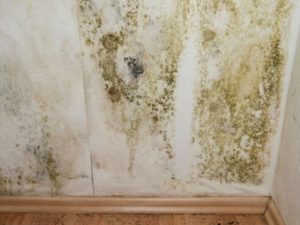
For plumbing that isn’t exposed, check walls, floors, and ceilings regularly for signs of nearby leaks, including discoloration, mold, warping, rot, and moisture.

In the yard, check grass and the areas around your house for wet spots, soggy areas, and dark patches.

Tip #3: Prevent Leaks with Proper Maintenance

One of the most important elements of leak prevention is acting when you find a problem. If you detect a leak when you’re performing an inspection, have it fixed immediately.

Similarly, if you notice any issues that could cause leaks, like worn components, corrosion, or rust, then address the problem to prevent the leak.

Tip #4: Find a Leak

When you know you have a leak but don’t know where it is, you can locate it by following the same inspection tips mentioned in step two.

Look for the same problems, including drips, wetness, discoloration, and other warning signs.

Tip #5: Keep Your Family Safe with Preventative Maintenance

moldPreventing leaks and water in the house will help to stop one of the worst consequences of water being where it shouldn’t: mold.

When a surface is wet, mold can start to grow after just 24 hours.

This can worsen the symptoms of asthma and allergy for sufferers in your family.

Tip #6: Keep Your House in Top Shape

Leaks don’t just cause mold, and they can also wreak havoc on the house itself.

Leaks can cause things like flooding, rotting, deterioration, warping, bubbling and peeling, and rusting.

Preventing leaks will avoid all this water damage, and keep you from having to repair or replace drywall, flooring, carpets, furniture, and more.

Tip #7: Save Money and the Environment

Finally, in case you need any more reasons to prevent and take care of leaks in your house, here’s one more—money.

Leaks are costly to fix, they increase your water bills, and they can require expensive repairs.

Moreover, leaks can waste up to 10,000 gallons of water every year, so fixing them is also an environmental responsibility.

Homeowner Tips for Kitchen & Bathroom Remodels

Homeowner Tips for Kitchen & Bathroom Remodels

Thousands of property owners are now beginning the home renovation process and working to keep their homes in immaculate condition for the coming years.

The renovation process can be challenging for those without experience. It’s very important to work with local experts to ensure full value for your project investment.

In this latest post, our experts present their tips for kitchen and bathroom remodels this summer.

Research Providers Carefully

When selecting renovation companies for the improvement work to your home, make sure you research the company carefully.

Look for businesses that have industry accreditation and have significant experience in the construction field.

If you’re hoping to complete a full renovation of your kitchen or bathroom, ensure the company you select is an expert in this area.

This will help you to meet your objectives for the renovation and ensure you achieve a full return on investment.

Focus on Storage Options

cabinetIt’s one of the most important areas of any renovation project.

However many homeowners forget to take storage into consideration when analyzing their remodeling needs.

Review the full range of storage options available and make sure that you have enough space to add new appliances and new dishware to your kitchen in the future.

Another important consideration is the location of the storage. Make sure it’s in a convenient spot that’s easily reachable when working in the kitchen.

Consider Natural Stone Countertops

Natural stone countertops can bring you lasting value as part of the renovation project.

The leading options, such as granite and marble, resist etching and present a cool surface on which to prepare meals.

Natural stone materials hold their value better than other remodeling materials.

But it’s important to speak with your renovation team first to see which material offers natural suitability to the home space.

Carefully Review All Paperwork

When you’ve finally made all the required decisions regarding your renovation process, your chosen company will then present you with the paperwork to paperworkbegin the renovation.

It’s important that you review all documents closely.

Look for additional details that haven’t been discussed and ensure that the full quote is provided in detail.

Ask the team leader any questions before you sign the paperwork.

Top 3 Reasons for Stinky Drains and Smelly Water

Top 3 Reasons for Stinky Drains and Smelly Water

No matter how well maintained your home’s pipes and drains are, mysterious smells can sneak up from your waste drains or water supply.

If you find your home is carrying a smell similar to that of rotten eggs, there are some common, and curable, culprits.

These are the three top reasons that a home develops stinky drains or smelly water:

1. Dried Out P-Traps

To determine if a waste pipe in your home is dried up, you can do an at home sniff-test to find the problem pipe.

Follow the smell throughout your home, and try to find the room in which the smell is the strongest.

Cover this drain with a plastic bag or plastic wrap, and let the room air out. If you come back in an hour and the smell has all but vanished, you’ve found the source of the smell.

P-traps are the u-shaped sections located on most pipes, which hold a small bit of water within. This water acts as a seal by not letting any sewer gas enter your home.

These p-traps can dry up for a variety of reasons, including: p-trap

  • Leakage
  • Disuse
  • Blockages, causing water to siphon out of the p-trap.

If the origin of a sewer gas smell is from a pipe that has not been used for an extended period, try running water through it for a couple of minutes.

This will refill the p-trap, and eliminate the risk of sewer gas entering your home through this pipe.

If the smell is from a commonly used drain, have a plumbing professional inspect the p-trap. The p-trap could be leaking or have a blockage that should be removed and repaired by a trained expert.

2. Your Home’s Water Heater

Even though a water heater may not have any actual issues, its interior may be the source of smelly water within a home. The inside of a water heater is the perfect area for bacteria to grow, as it is moist and dark.

When these bacteria interact with sulfur in the water and metal components of a water heater, the result is that foul, “rotten eggs” smell that enters your water supply.

Luckily, there are a couple of options to deal with this problem. You can clean the inside of your water heater with H2O2, also known as hydrogen peroxide. This chemical works to kill bacteria while keeping your water heater safe.

The other option is to replace the magnesium or aluminum based anode within your water heater. Bacteria feed off these metals, creating the foul smell. Instead, install an anode made of both aluminum and zinc.

3. A Blocked Sewer Gas Vent

Most homes are equipped with a ventilation system dedicated to removing smelly sewer gases into the outside air.

If this ventilation system becomes blocked, sewer gases build up and enter waste pipes in your home, such as drains and toilets.

blocked-drainCommon causes of clogged vents include:

  • Debris
  • Leaves
  • Animal nests

Clear away any visible blockages, only if it is safe for you to do so.

If it is not a safe option, or you’re still detecting a foul odor from your waste pipes, contact a plumber immediately.

Go Green: Make a Difference in Your Home

Go Green: Make a Difference in Your Home

Spring is all about new beginnings and the renewal of nature, which makes it a perfect season to reflect on how you can be more environmentally friendly with your daily actions.

Over generations, humans have adopted habits that have been damaging to the environment which has contributed to global warming. It’s not too late to make a difference though. Starting today with small changes personally means a greener tomorrow for everyone.

As a homeowner, there are many things that you can do at home. Ready to get started? Read on for tips from the experts here at Reeves Family Plumbing.

Tankless Water Heaters are Energy Efficient

You use a great deal of energy and water to heat water. One way to improve that process is to invest in a tankless water heater.

These are more energy efficient because they only heat water as needed and promote less waste. You end up using less energy and less water, which also translates into cost savings for you.

Steps Towards Reducing Your Carbon Footprint

Get truly committed to helping the earth by reducing your overall carbon footprint at every opportunity. At home, get plumbing leaks fixed.carbon-footprint

Reduce water use by turning off the faucet when you are brushing your teeth or washing your hands. Use the cold water cycle for laundry and hang dry instead of using the dryer.

Consider switching your car for a hybrid option. Or better yet, park your car in the garage and carpool, walk or use a bike.

At the office, use reusable cups, plates, and cutlery. Only print out what you need to. When you go home for the weekend, switch your computer and other appliances off.

Plumbing Fixtures

Your plumbing fixtures are part of your decor, but they can also help you use less water. Dual flush toilets let you select how much water to use, depending on the type of waste you are flushing (i.e. solid or liquid).

Low-flow showerheads produce far less water, but still give excellent water pressure, so you don’t have to compromise your daily shower quality.

Celebrate Earth Day

Are you in the habit of celebrating Earth Day? If not, make plans for April 22 to mark the occasion. One great way of making a difference on this special day is to fine-tune your recycling program.

recycleRecycling is one of the most effective tools available to improve the environment. Before you consume or purchase a new item, consider if you need it new, or if you’ve got something already that could be reused.

You will reduce waste this way. Educate yourself on items that are recyclable and those that are not.

Make your purchase decisions based on whether or not an item is recyclable or not. Beyond recycling materials, think about recycling water too by using cooking liquid to water plants.

Water Filtration Options

Bottled water is handy, but is damaging to the environment. Many of those bottles end up in landfills.

Point-of-use filters (either on the faucet or under sink options) are easy to use, affordable and require little maintenance. Whole home systems are also effective and can be helpful in softening water too.

March 22: Reasons we Celebrate World Water Day

March 22: Reasons we Celebrate World Water Day

world-waterWater scarcity is a problem that has plagued the globe for generations, but as the world’s population increases, so do water needs.
To underscore the importance of water conservation and active reduction of our water footprint, the UN has established an annual day of recognition: World Water Day on March 22. It is a day to discuss the water crisis and to collectively seek solutions.

Hard Facts Around World Water Day

According to the Water Project, 783 million people around the world don’t have access to fresh water, most of who live in Sub-Saharan Africa. Most of these areas are rural and rugged, with people having to travel for hours each day simply to collect water to live.

This impacts not only health, but economic opportunities too. It is estimated that in Sub-Saharan Africa, 40 billion hours a year are spent on water collection. Most of the time this task falls to women, which means that girls drop out of school at a young age, stopping their education; this keeps the poverty cycle going.

The World Economic Forum named water scarcity the highest global economic risk because of the possible devastation associated with lack of clean water and sanitation.

What Can I Do?

water-dropYou can make a real impact simply by changing your water use habits at home. For starters, turn the tap off when brushing your teeth, washing your hands or shaving. Rinse your razor in the sink in a little water, rather than leaving the tap go. Don’t take baths. Opt for short showers instead. If you have kids and must use the bathtub, don’t fill it very full and put the plug in as soon as you turn the water on.
Don’t wash towels every day. Don’t do laundry unless it is a full load. Don’t use the permanent press cycle.

Put a sink strainer in your kitchen to catch debris, which will cause blockage and make you run more water. Don’t use the garbage disposal, but compost your food scraps instead. Steam rather than boil food, and be sure to use the appropriately sized pot. Only water your lawn if you have to.

Don’t wash your car at home as it uses a lot of water; if you have a pool, cover it to save from water evaporation. Make sure your irrigation system is on a timer. Use a watering can rather than a hose to water your garden.

Remember to Check For Leaks

wasting-waterPlumbing leaks can account for nearly 11 trillion gallons of wasted water in the United States annually, according to the EPA. What’s more is that the average homeowner can expect to save up to 10 percent on their water bills, simply by getting leaks fixed as soon as they appear.

To check if you have leaks, read your water meter before water use and then about 2 hours after you turn it off. If there is little or no change, you’ve got a leak.
To detect a toilet leak, pop a dye pill in the toilet tank. Don’t flush and wait about 10 minutes. If the colored water has dispersed through the bowl, you have a leak that needs fixing.

We can handle all your plumbing needs, big or small. Call us today for service in Dallas, TX at (972)-247-3763.

Which Way Does Your Toilet Bowl Swirl?

Which Way Does Your Toilet Bowl Swirl?

Sometimes it’s the little things that make us wonder how they came to be that way… Do you know which direction your toilet bowl swirls? Take the video quiz below to find out! You may be surprised to see what you find.

The experts at Reeves Family Plumbing, in the Dallas, TX area, are always willing to share their knowledge with you. If you’re interested in learning more contact us at (972) 247-3763.